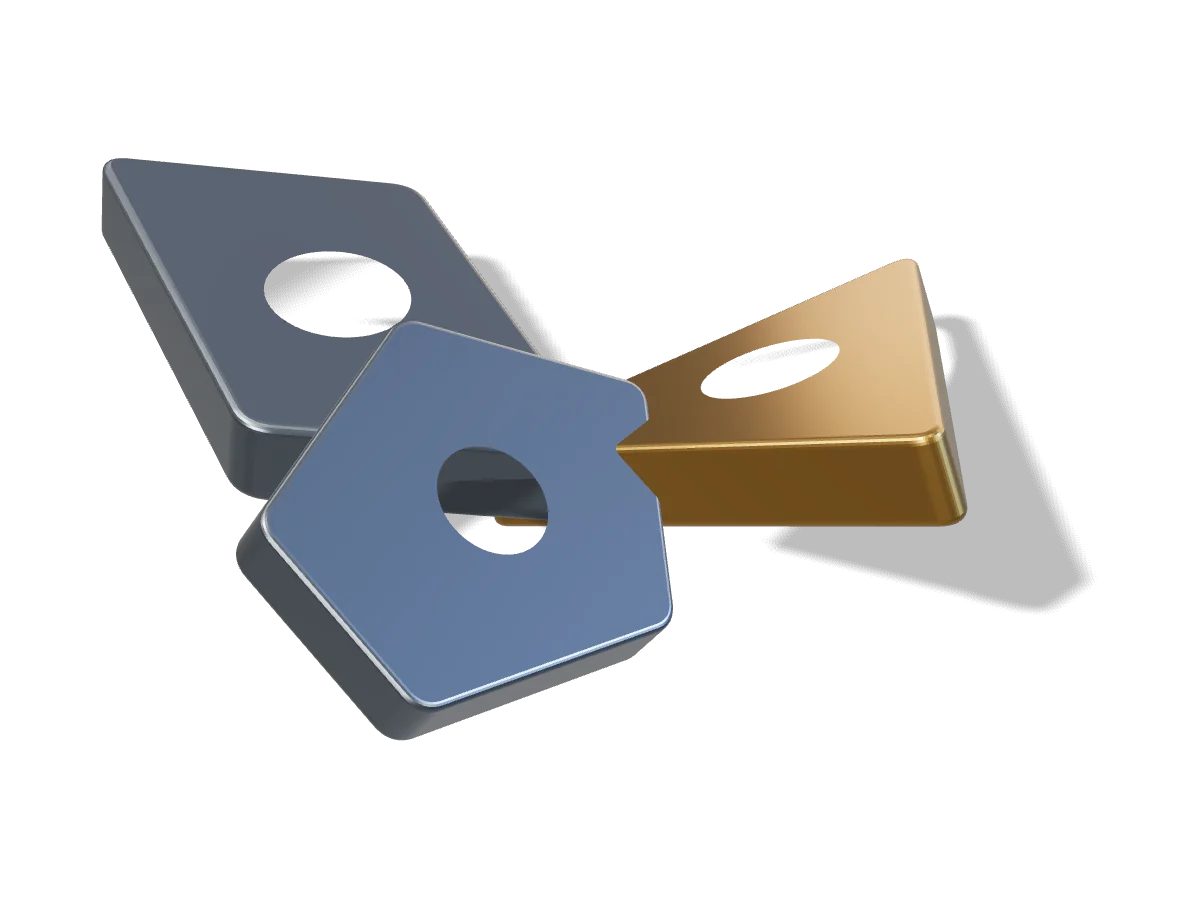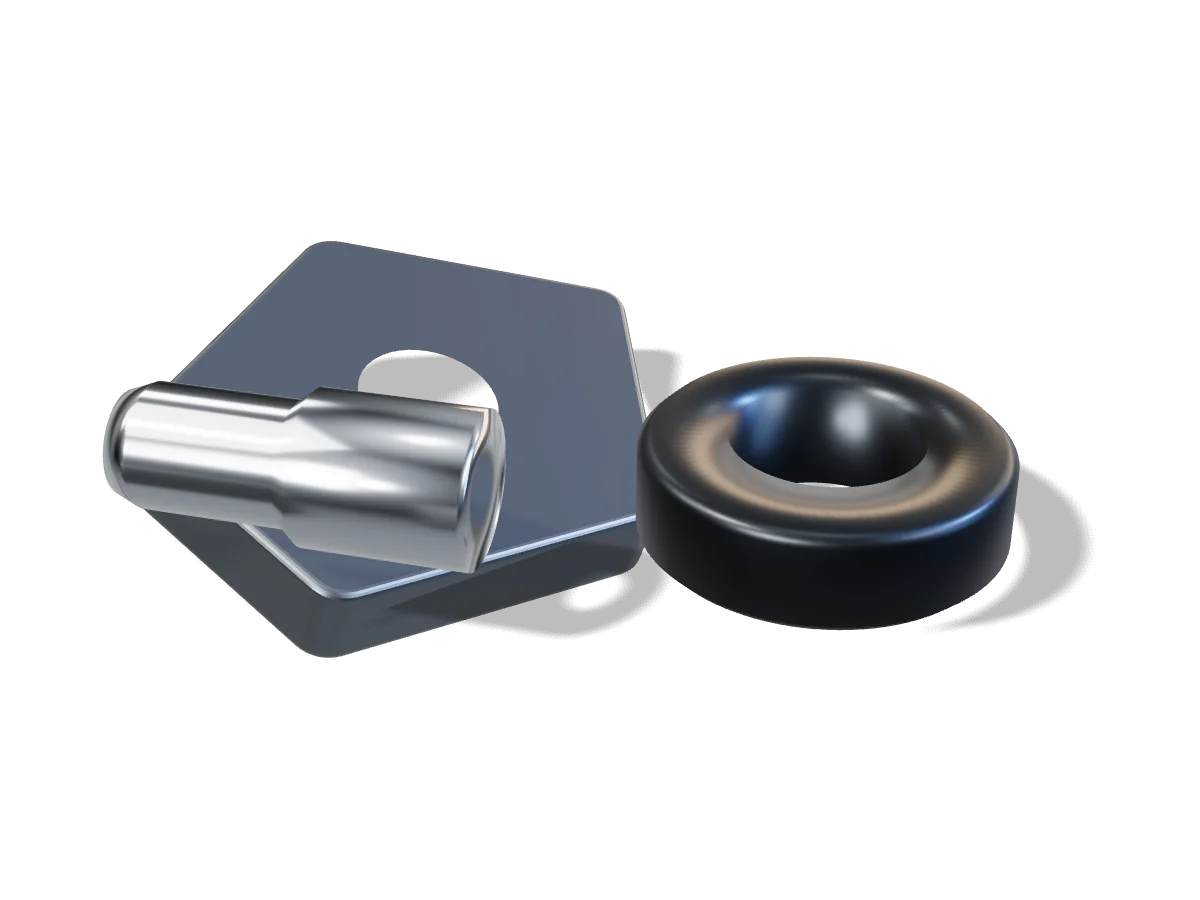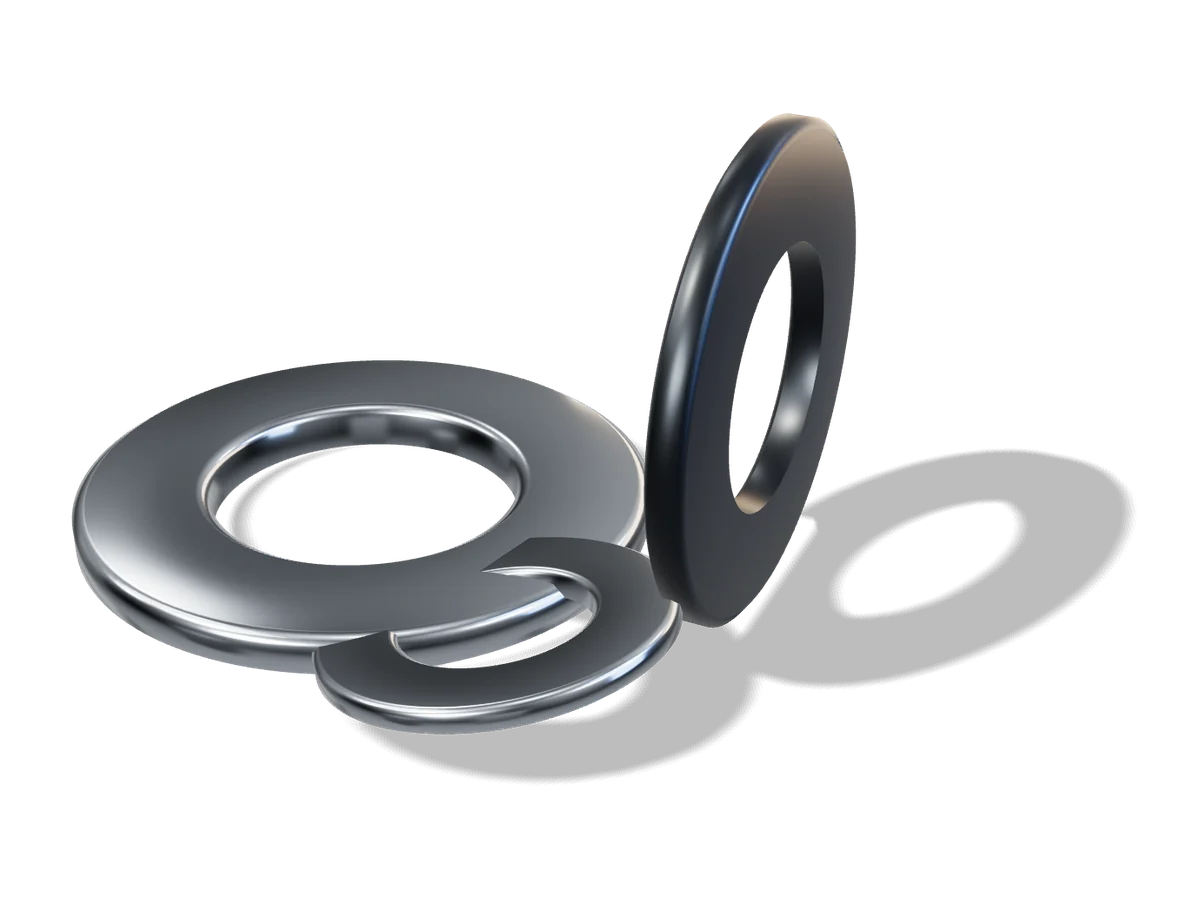
A sample box is not proof of a supplier. It is an opportunity to test whether the part, the grade and the supplier's process control are right for your application. Here is how we suggest buyers use a free sample.
Measure it before you install it
Check the dimensions that matter, not only the ones that are easy to measure. Look at bore roundness, flatness, edge quality and surface finish. Compare the values with the drawing and the inspection report that came with the sample.
Test it in the real duty cycle
A bench test is useful, but the real answer comes from the actual machine, medium and operating pattern. Run the sample alongside your current part if possible, and record the same performance indicators for both.
Inspect the failure mode
When the sample eventually wears or breaks, keep it. A polished wear scar, a chipped edge and a cracked bore tell different stories about grade, geometry and handling. Send us photographs — the failure mode is often more useful than a pass/fail result.
Check the paperwork
A supplier who can provide a material certificate, dimensional report and batch traceability for a sample is more likely to do it for production. Ask early, before the order is placed.
Compare total cost, not piece price
A cheaper part that fails early is expensive. Compare the number of cycles, the scrap rate, the installation time and the freight cost per usable part. That is the number worth negotiating.
We supply free samples for qualified projects because we want the part tested, not just admired. Tell us what you are measuring, and we will make sure the sample and the documentation are relevant to the test.