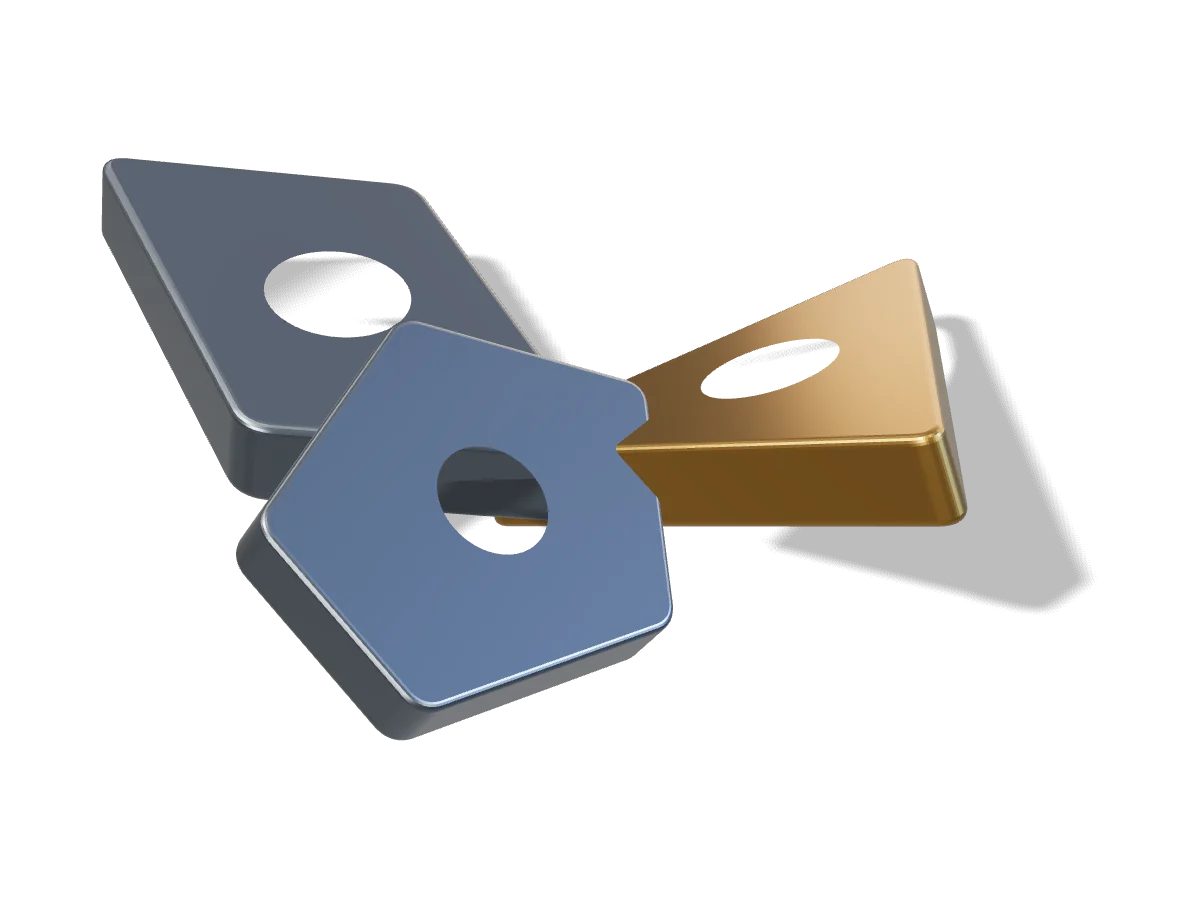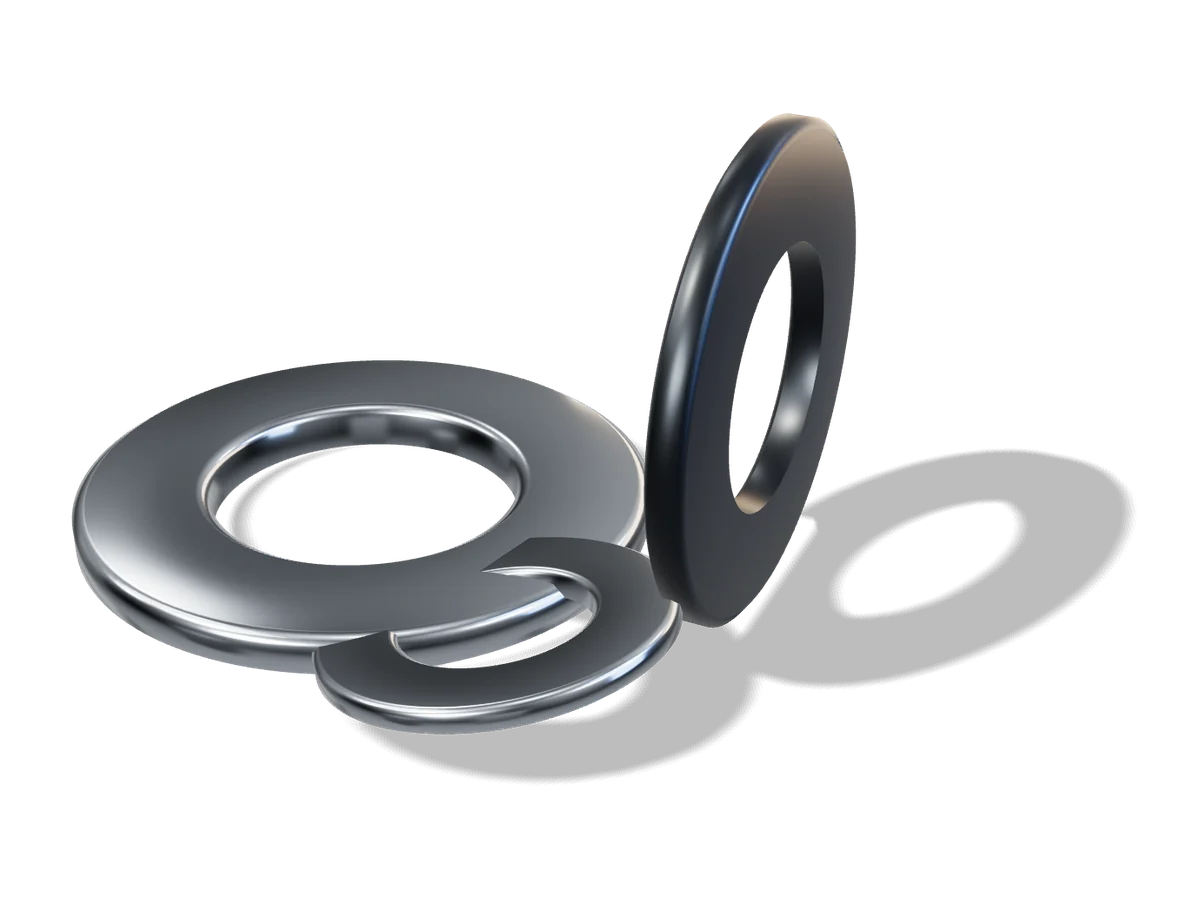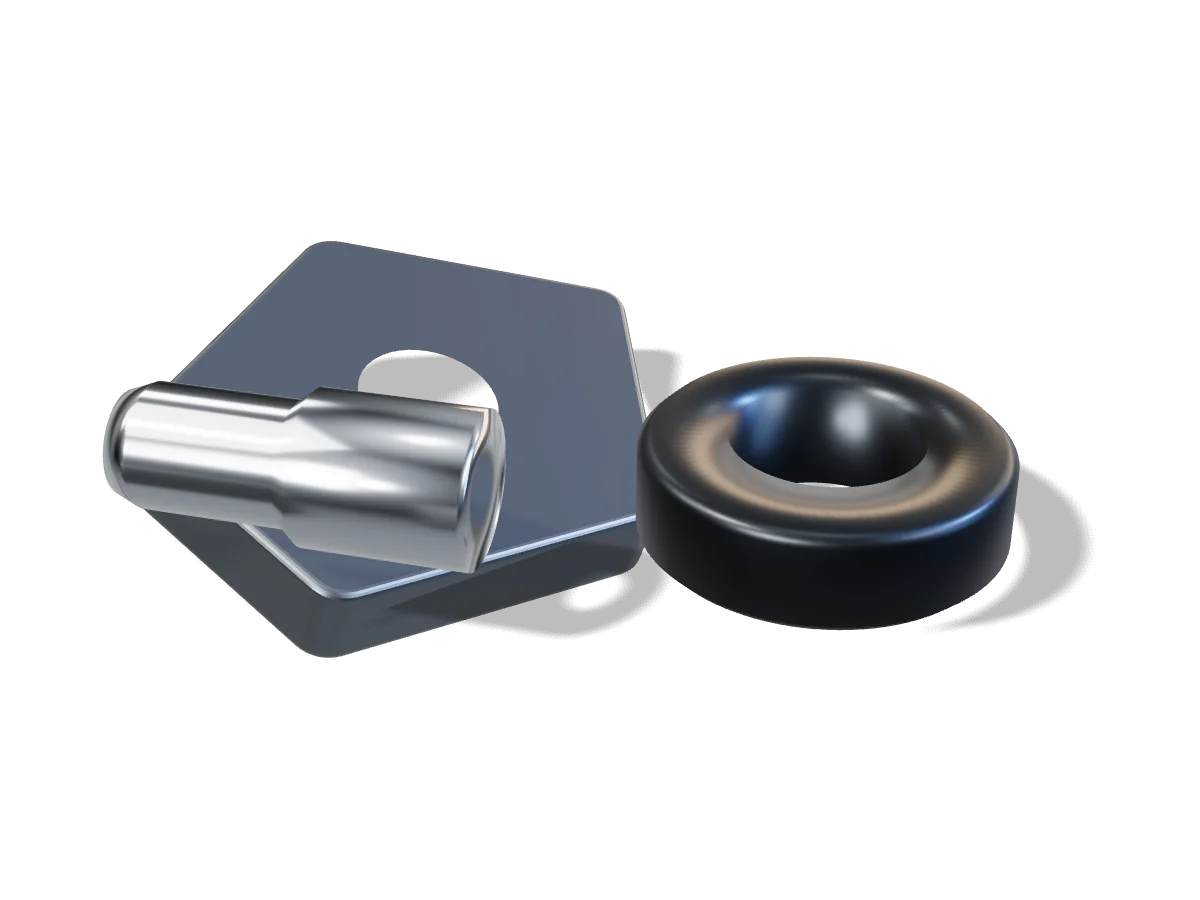
Buyers often ask whether a part should be standard or custom. The honest answer depends less on the shape than on the cost of the wear problem.
Start with the interface
If the part fits a standard bore, shaft or insert pocket, a standard shape is usually the fastest and cheapest route. If the housing is fixed and the part must adapt to it, custom geometry is often unavoidable.
Count the downstream cost
A standard part that wears quickly can be more expensive than a custom part that lasts three times longer. Include downtime, labour, scrap and freight in the comparison. The purchase price is only one line in the calculation.
Consider the volume
Custom tooling has a fixed cost. At low volumes, a standard blank with minor machining is often the better economic choice. At repeat volumes, a purpose-built profile usually pays back quickly through material savings and longer life.
Ask for the manufacturing view
Send the drawing and the duty cycle. We will tell you whether an existing standard shape can be adapted, whether a custom profile is justified, and what the tooling and lead time would be. There is no obligation to proceed.
The right answer is the one that lowers your cost per tonne, per hour or per part — not the one that looks most sophisticated on paper.